



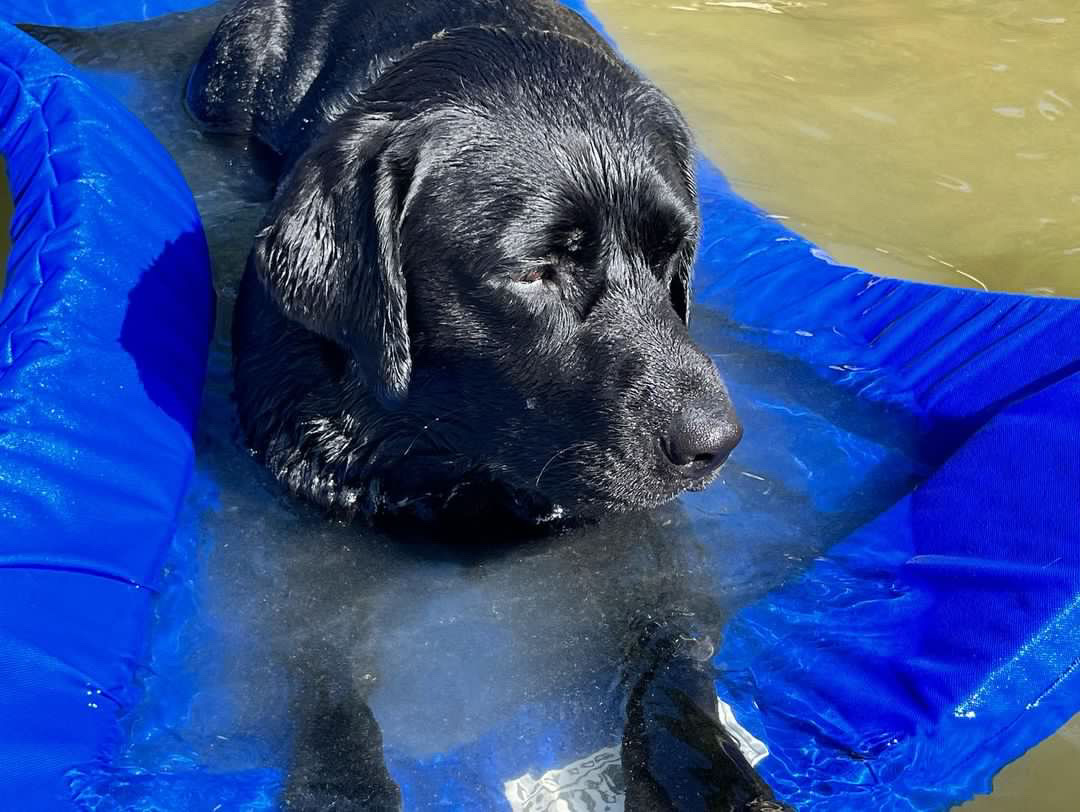
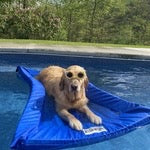
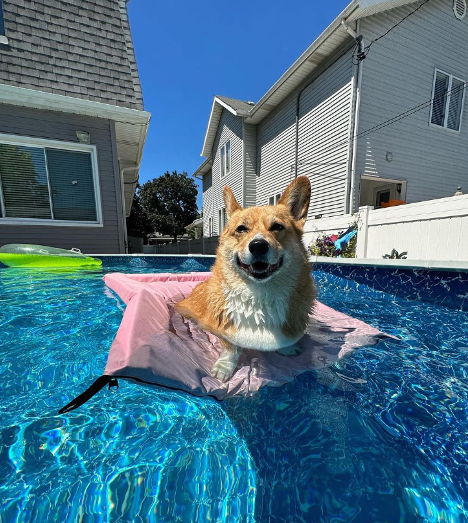
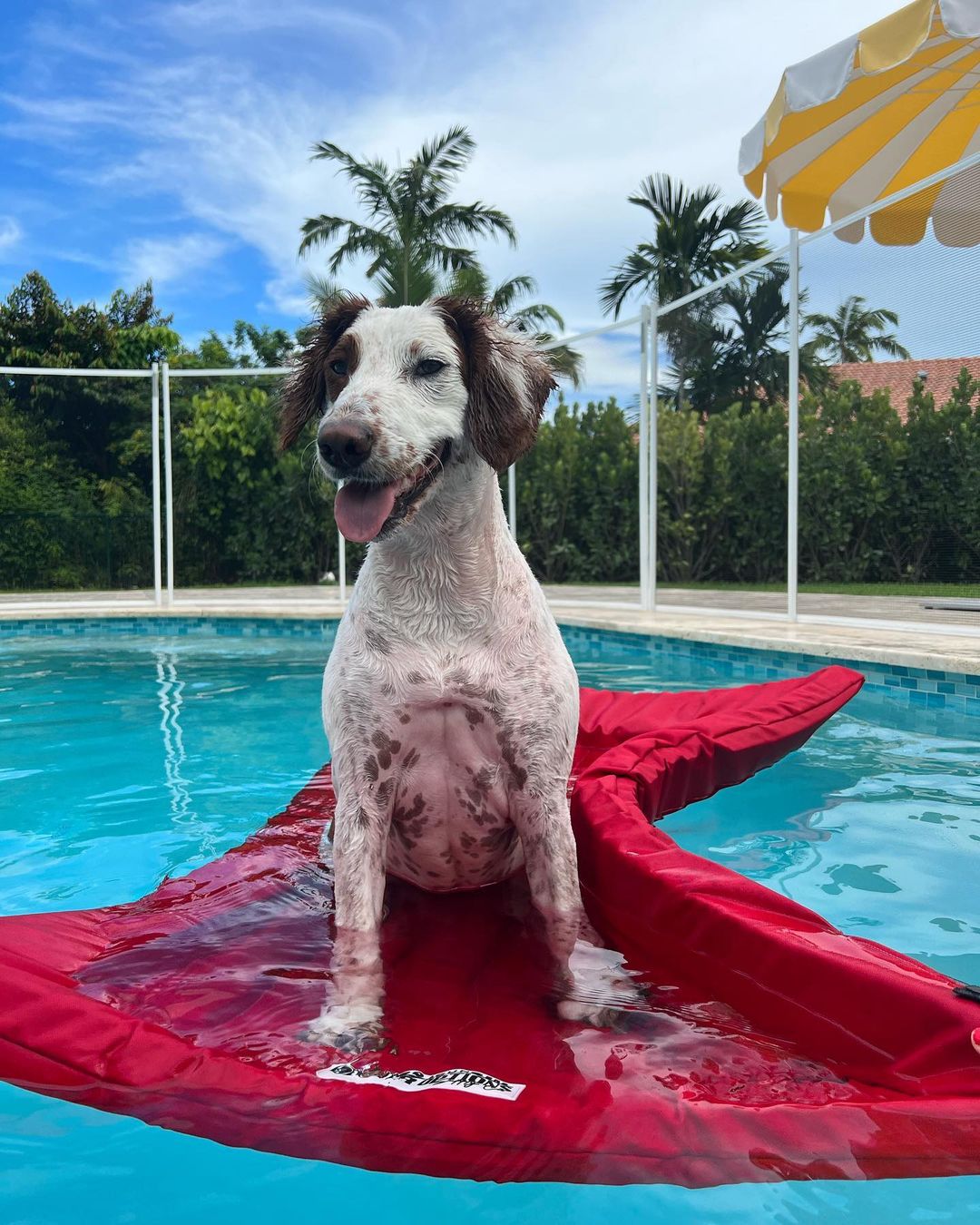
Every dog owner who has taken their dog to water regularly knows the feeling at the end of those days. You get home. Your dog eats their dinner. They find their spot. And then they sleep — deeply, contentedly, in a way they don't sleep after a regular walk around the block. There's a specific quality to a water-tired dog that is different from any other kind of tired: they seem genuinely, fully satisfied. Like everything is right with the world.
That's not a coincidence. The physical and psychological effects of water play on dogs are well-documented, significant, and in many cases, measurably different from what other forms of exercise and enrichment produce. For dogs with anxiety, joint problems, high energy, or behavioral challenges, water isn't just recreation. In many cases, it's therapy.
Here's what's actually happening when your dog spends time in the water — and why it matters far beyond a tired dog at bedtime.
The Physical Benefits Are Genuinely Impressive
Full-Body Exercise Without the Joint Impact
Water's buoyancy reduces the load on a dog's joints by up to 90% compared to exercise on land, while still providing genuine cardiovascular and muscular work. This is why canine hydrotherapy — structured swimming or water treadmill exercise — is prescribed by veterinarians for dogs recovering from orthopedic surgery, managing arthritis, or carrying extra weight. The body works hard. The joints don't pay the price for it.
For healthy, active dogs, this means swimming builds cardiovascular fitness and muscle strength at a rate that's significantly higher per minute than walking — while putting far less wear on hips, knees, elbows, and shoulders than running or fetch on hard surfaces. For senior dogs maintaining mobility, dogs with hip dysplasia, or any dog who carries pain on land, water play extends their active life in a way that few other options can.
Cardiovascular Conditioning
Swimming is genuinely aerobic work. A dog swimming at moderate effort for twenty minutes is getting a more complete cardiovascular workout than a dog walking for an hour at a typical pace. Heart rate goes up. Lungs work harder. The cardiovascular system adapts over repeated sessions — and a dog with a well-conditioned heart handles heat, exertion, and stress better in every environment, not just the water.
Core Strength and Balance
Staying afloat requires constant micro-adjustments from the deep stabilizing muscles of the core and spine. Dogs who swim regularly develop noticeably stronger core musculature than dogs who don't — and strong core muscles support better posture, more stable movement on land, and reduced risk of back injuries. Even floating on the Lazy Dog Loungers® engages stabilizing muscles as the dog adjusts to the gentle movement of the water beneath them.
The Mental Health Angle: This Part Surprises People
Physical benefits alone would be enough to justify regular water play. But the psychological effects of water on dogs are arguably just as significant — and for dogs with anxiety, over-reactivity, or behavioral challenges rooted in chronic under-stimulation, the mental dimension of water play is the most important part.
Water Activates Scent Processing in a Way Land Often Doesn't
Water carries scent differently than air. In and around water environments — especially natural ones like lakes and rivers — dogs are encountering an enormous density of new olfactory information: aquatic life, plant life, soil that has different mineral compositions near water, the scent trails of animals who came to drink. The nose is working hard. The brain is working hard. This mental engagement produces genuine cognitive tiredness — the kind that leaves a dog settled and calm rather than physically exhausted but mentally wired.
The Focus Effect: Water Demands Presence
When a dog is in the water, there's no option to be somewhere else mentally. The environment demands attention — the feeling of water resistance, the adjustment to buoyancy, the navigation of currents and surface changes. For anxious dogs whose brains are constantly processing background worry, this enforced presence in the moment can be genuinely regulating. It's a break from rumination. Many owners of anxious dogs report that their dog's anxiety symptoms are measurably reduced in the hours after a water session — and while every dog is different, this pattern is consistent enough to take seriously.
"For high-anxiety dogs, water play often does something no other activity quite manages: it demands the dog's full attention in the present moment, leaving very little processing capacity left over for anxiety. The water is simply too interesting to be scared in."
Enrichment That's Different From Anything Else
Dogs thrive on novelty and variety. A dog who walks the same neighborhood route every day, plays fetch in the same backyard, and eats the same food in the same bowl is meeting their basic exercise needs but not necessarily their enrichment needs. Water is categorically different from land-based environments in ways that register meaningfully in a dog's brain — different textures, different physics, different movement patterns required. That difference is stimulating in a way that familiar activities, no matter how good, simply cannot replicate.
Specific Populations of Dogs That Benefit Most
- 🐾Senior dogs with arthritis or mobility issues. Water allows them to move freely and joyfully in a way that may be painful or impossible on land. A senior dog who can barely trot around the yard may swim with genuine enthusiasm — and should be allowed to. The joy on their face is unmistakable and deeply worth facilitating. The Lazy Dog Loungers® easy-access ramp means they can participate at their own level without needing to be lifted in and out repeatedly.
- 🐾High-energy, high-drive dogs. Some dogs — working breeds especially — have exercise requirements that their owners genuinely struggle to meet. Ten minutes of swimming burns the same energy as significantly longer land exercise. For a Border Collie or a working-line German Shepherd, regular water sessions can change the entire energy profile of the household in a way that feels almost miraculous to exhausted owners.
- 🐾Dogs recovering from surgery or injury. Formal canine hydrotherapy is a legitimate veterinary treatment specifically because water exercise rebuilds strength and range of motion without loading healing tissues. Always get veterinary clearance before introducing a post-surgical dog to recreational swimming — but know that water is often part of the recovery plan for a reason.
- 🐾Dogs with chronic pain conditions. Dogs with conditions like degenerative joint disease, spondylosis, or intervertebral disc issues often move more freely and with less visible discomfort in water than on land. The buoyancy reduces pain signals during movement, which allows a greater range of motion than is otherwise possible — and potentially helps maintain joint mobility over time.
- 🐾Anxious or reactive dogs. The calming, regulating effect of water play on anxious dogs is significant enough that many behavior consultants specifically recommend water enrichment as part of a management plan for anxiety. It won't replace behavioral work, medication when indicated, or other interventions — but as a regular addition to the routine of an anxious dog, consistent water play often produces noticeable positive changes in baseline reactivity and stress levels over time.
The Float Is Part of the Wellness Equation
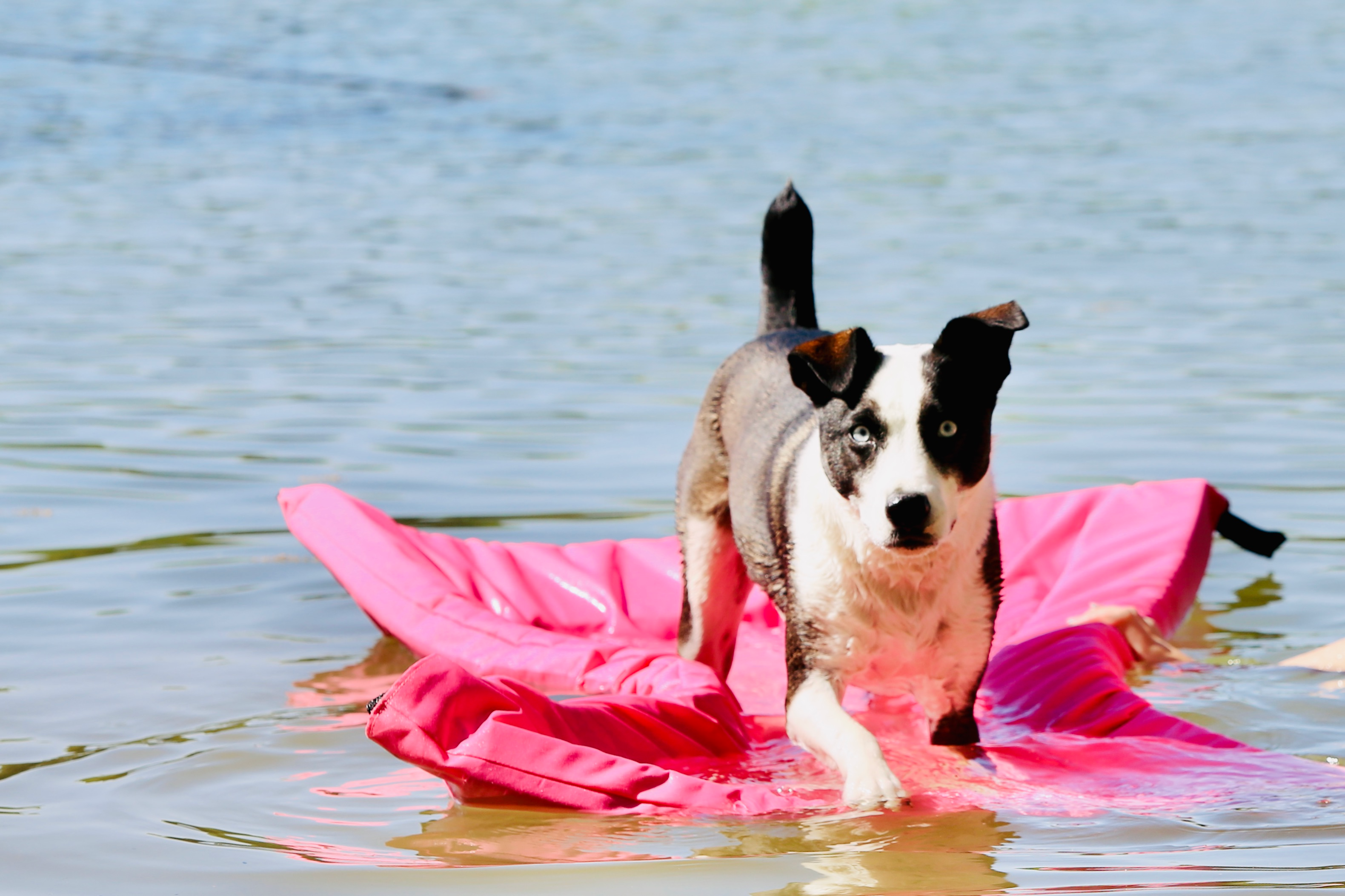
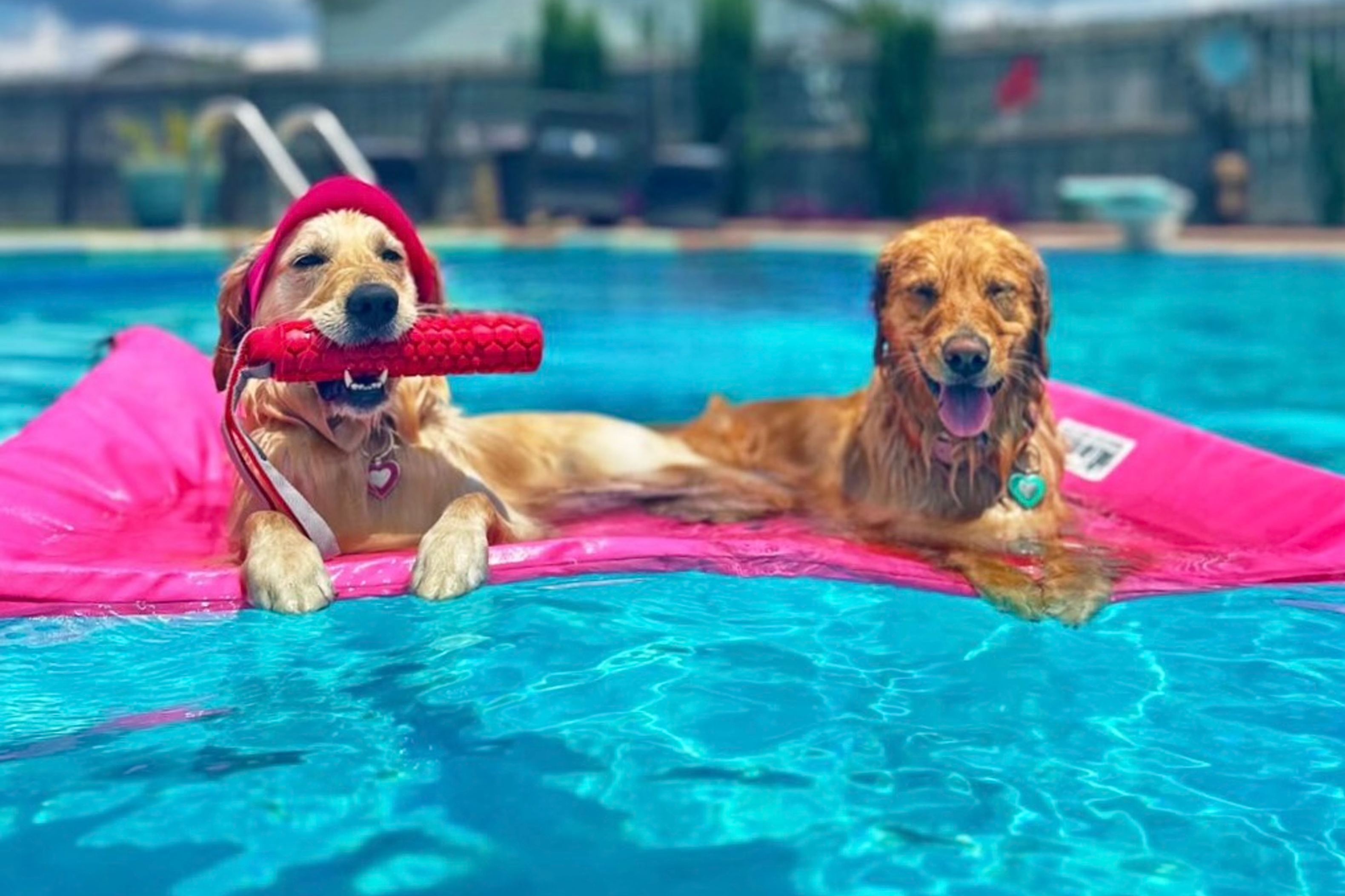
A dog who has access to a reliable, comfortable float during water play sessions benefits from the rest that swimming alone can't provide. Sustained swimming without rest is hard work — and a dog who has to exit the water entirely every time they need a break doesn't get the continuous benefit of a long, enriching water session. A dog who can swim, board the float, rest in the semi-submerged center while their temperature regulates, and then go back in when they're ready is getting a longer, more complete, and more genuinely enjoyable water experience.
That cycle — swim, rest, swim — is also more cognitively engaging. It introduces natural rhythms into the session that keep a dog mentally active rather than just physically tired. They make choices about when to swim and when to float. They navigate boarding and exiting independently. They regulate their own activity level. That autonomy and self-direction is itself enriching in ways that passive exercise isn't.
💡 The Senior Dog Water Session
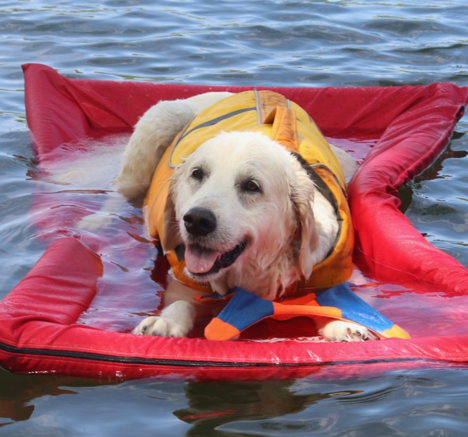
For senior dogs in particular, a Lazy Dog Lounger® session can look less like swimming and more like gentle wading punctuated by long, peaceful floats. That's a completely valid, enormously beneficial session. The cooling panel regulates their body temperature. The stable platform lets them rest without getting out of the water entirely. And being in the water — even without vigorous swimming — provides joint relief and sensory richness that a dry afternoon can't offer. Meet your senior dog where they are and let them set the pace.
How Often Should Your Dog Swim?
There's no universal prescription here — it depends on your dog's age, health, fitness level, and enthusiasm. But as a general framework, most healthy adult dogs see meaningful benefits from water play two to three times per week when it's available. Once a week still produces real benefits — better than nothing in a significant way. Senior dogs or dogs using water therapeutically often benefit from more frequent but shorter sessions.
The practical reality for most dog owners is that regular water access is a summer activity with occasional shoulder season opportunities. If that's your situation — lake weekends in summer, occasional pool days — then making those sessions as high-quality as possible matters more than frequency. A genuinely good water session, with appropriate rest, safety precautions, and a float worth having, does more for your dog than a rushed or poorly set up one done twice as often.
Start this season. Prioritize it. Watch what happens to your dog in the months of regular water access. And then try to imagine a summer without it — because after one season of watching your dog come home deeply, completely satisfied after a day at the water, you won't be able to.
💙 Invest in Their Wellbeing — Not Just Their Fun
The Lazy Dog Loungers® gives your dog a complete water experience — swim, rest, cool down, swim again — on a stable, semi-submersible float with easy-access boarding. Made in the USA from sustainable materials. For every dog at every stage of life. Shop at lazydogloungers.com.
Shop Lazy Dog Loungers® →


